Why Pick a Professional Patio Designer for Your Dream Outdoor Area?
Hiring a experienced outdoor construction specialist can substantially impact the outcome of an exterior environment. Their skill confirms that architectural plans, building procedures, and municipal codes are all masterfully managed. These experts not only direct complex endeavors but also procure durable options designed for the environment. As the development unfolds, homeowners often wonder how these decisions will enhance their outdoor living quality and home's worth. The answers may impress them as they consider their options.
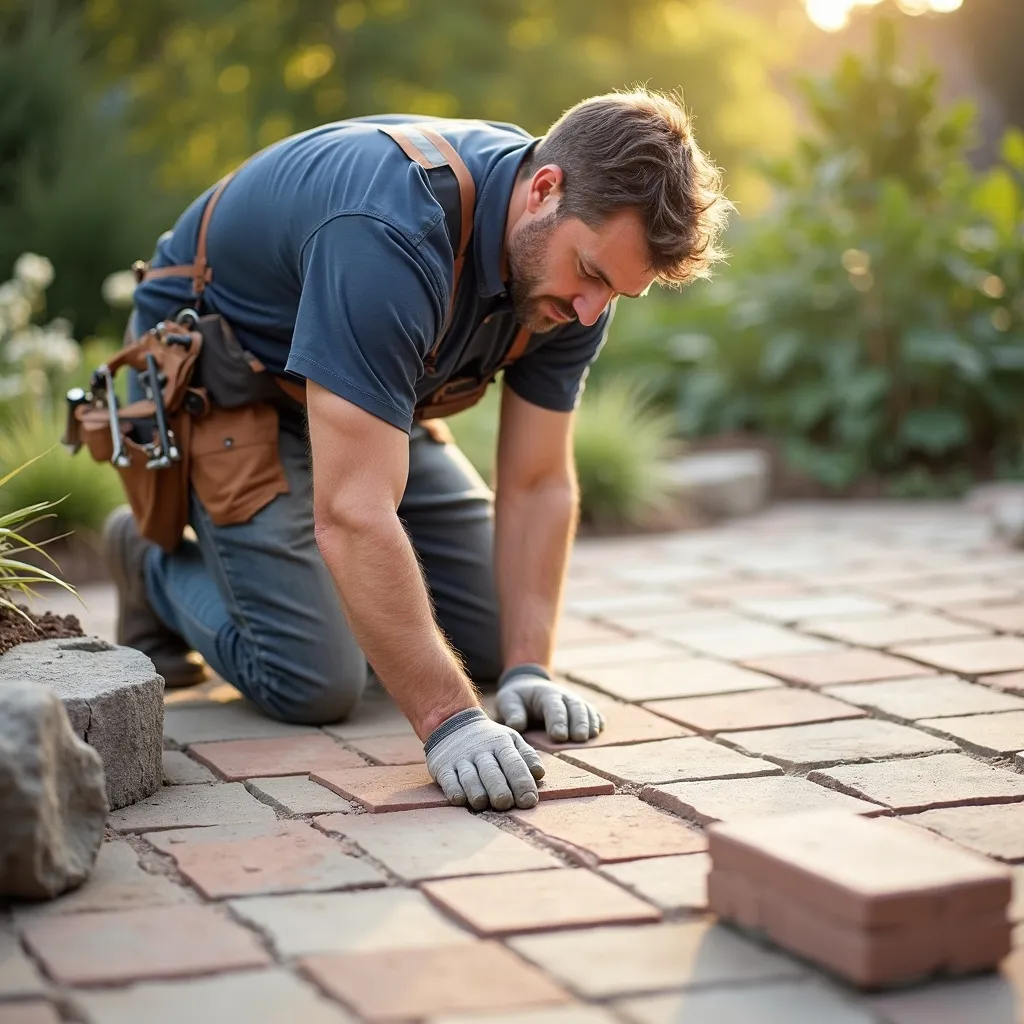
The Expertise of Expert Patio Builders
Professional patio builders bring a wealth of knowledge that transforms outdoor spaces into functional and aesthetically pleasing areas. Their extensive training and experience enable them to assess site conditions, recommend suitable materials, and develop designs that complement existing landscapes.
With understanding of local building codes and regulations, they guarantee adherence and safety in every project.
Moreover, professional builders are furnished with the proper equipment and methods to execute intricate layouts effectively. They understand the nuances of drainage, soil stability, and weather considerations, which are crucial for the longevity of a patio.
Their careful consideration to detail and quality craftsmanship yields a completed project that increases property value and usability. By engaging with clients, these experts can adjust solutions that accommodate specific needs and preferences, ultimately delivering a personalized outdoor experience.
Choosing a skilled outdoor construction expert ensures a seamless process from initial idea to completion, backed by excellent craftsmanship and dependable assistance.
How to Outline Your Ideal Patio Style
How can one effectively define their dream patio layout? First, individuals should consider their way of life and how they plan to use the space. A family-focused design may include areas for kids to play, while a entertaining space might emphasize seating and entertainment features.
Subsequently, examining the current terrain is crucial; the patio should complement the home and surrounding environment.
Materials are important in design, and picking options that complement personal taste and durability is necessary. One should also consider aesthetics, contemplating colors, textures, and patterns that will produce a cohesive look.
In the end, it's recommended to obtain creative inspiration from different sources, such as home improvement websites or social media platforms. By organizing images and ideas, individuals can establish a vision board that effectively communicates their desired outcome, supporting a more productive collaboration with a professional patio builder.
What You Must Know About Local Regulations?
Navigating through local codes is crucial when designing a patio project. Homeowners must comprehend zoning laws, which determine where buildings can be built on their land. These rules differ notably by area and can influence the dimensions, elevation, and positioning of a patio.
Building permits may be necessary, and the application process can involve submitting detailed plans for approval.
Additionally, homeowners should recognize setback regulations, which define the separation a patio must maintain from property lines or existing structures. Local building codes also establish safety requirements, ensuring the patio is constructed to resist environmental factors.
Noncompliance with these standards can result in monetary penalties or the need to deconstruct the patio. Engaging a qualified patio specialist can facilitate this process, as they are well-versed in community laws and can guarantee that the construction adheres to all necessary guidelines.
Opting for Robust and Engaging Materials
When selecting materials for a patio, durability and aesthetic appeal are important elements.
Homeowners should consider not only the longevity and maintenance requirements of different options but also how these materials enhance the overall design.
Additionally, cost-saving alternatives can enhance both functionality and visual appeal while staying within spending limits.
Material Longevity and Maintenance
Selecting the right materials for a patio not only enhances its visual charm but also influences its durability and maintenance simplicity. resilient materials, such as natural stone, concrete, or high-quality pavers, resist multiple weather conditions, reducing the need for constant repairs.
Also, selecting materials that resist stains, mold, and fading can substantially lower constant upkeep demands. For instance, sealed concrete can deliver a long-lasting finish with reduced maintenance, while certain artificial products can mimic wood without the risk of rotting.
In the end, investing in durable materials can produce considerable cost reductions over time, as they contribute to a patio that remains practical and attractive for years to come, minimizing the need for replacements or extensive maintenance.
Visual Elegance and Style
What ways can a patio's layout work with its surroundings while preserving longevity? Choosing the right materials is essential for achieving both aesthetic appeal and structural integrity.
Seasoned patio builders often suggest stone materials like granite or slate, which enhance various outdoor settings and also endure harsh weather conditions. In addition, composite materials offer an attractive, minimal upkeep option that mimics the appearance of wood without the vulnerability to decay.
Color selections and surfaces should align with the home's architecture and the neighboring area, crafting a harmonious look. Blending in patterns or unique design elements can boost the total charm, confirming the patio becomes a focal point.
In the final analysis, a well-designed patio optimizes outdoor living while maintaining its quality indefinitely.
Cost-Efficient Substance Alternatives
While balancing budget constraints and aesthetic desires, homeowners gain advantages by considering a range of cost-effective materials for their patios.
Alternatives like stamped concrete and pavers deliver longevity and design appeal without straining your budget. Concrete stamping can imitate stone surfaces or tile, presenting a attractive aesthetic at a lower cost.
Pavers, presented in diverse shades and forms, allow for inventive layouts and effortless maintenance. Moreover, composite decking delivers a low-maintenance substitute to traditional wood, resisting rot and color loss over time.
Saving Time and Decreasing Stress With Professional Help
Engaging a professional patio builder can significantly expedite the construction process, reducing the burdens typically associated with home improvement projects. By tapping into their experience, homeowners can circumvent the common pitfalls of DIY endeavors, such as miscalculations or delays.
Professional builders possess the required expertise, equipment, and understanding required to execute the project efficiently, ensuring prompt delivery.
Moreover, these specialists oversee all logistical aspects, including permits, inspections, and scheduling, which can be taxing for an nonprofessional. This administration considerably decreases stress, permitting homeowners to devote attention to other tasks.
Furthermore, with a qualified professional in charge, possible conflicts with subcontractors or suppliers are minimized, further enhancing the experience.
Ultimately, enlisting a professional patio builder not only minimizes time expenditure but also provides peace of mind, transforming the patio vision into reality without the connected burden of self-directed projects.
Maximize Your Home's Value With a Custom Patio
A bespoke patio not only elevates outdoor aesthetic appeal but also significantly increases a home's overall value. Potential buyers see now often search for properties that provide practical outdoor spaces, with a well-designed patio acting as a key benefit. By incorporating quality materials along with unique design elements, homeowners can create an pleasant atmosphere that appeals to a wide range of buyers.
In addition, a custom patio can expand the functional living area, making it perfect for entertaining people or enjoying peaceful evenings outdoors. This added area considerably boosts the residence's total square footage, which can be a major influence in property pricing.
Enlisting a experienced patio specialist confirms that the project maintains high standards of craftsmanship and durability, substantially upgrading the patio's aesthetic value.
In the end, a strategically planned patio not only elevates your daily existence but also functions as a prudent financial commitment that can produce notable value when the home is sold.
Strategies for Caring for Your New Patio
Looking after a new patio is necessary for maintaining its condition and long-term durability.
Creating a routine cleaning plan and incorporating seasonal care recommendations can help guarantee it continues to be in ideal condition.
Maintain a Standard Tidying Plan
Setting up a routine maintenance plan is necessary for preserving the visual appeal and long-term durability of a new patio. Regular cleaning helps remove dirt, leaves, and debris that can collect over the seasons, thereby causing harm or unsightly marks.
A routine weekly check allows homeowners to address minor issues before they worsen. This encompasses sweeping away loose particles and hosing down the surface to prevent grime buildup.
For greater restoration, a deep clean every few months is encouraged, using appropriate cleaning solutions suited for the patio material.
In addition, regularly applying sealants can defend from weathering and stains. By maintaining a consistent cleaning routine, homeowners can guarantee their outdoor space remains inviting and functional for years to come.
Seasonal Care Recommendations
Patios offer a beautiful outdoor space, but periodic upkeep is indispensable for maintaining their longevity and aesthetics. Homeowners should begin by checking the patio for cracks or wear, addressing issues promptly to forestall further deterioration.
In spring, a thorough cleaning, such as power washing, removes dirt and debris, while sealing surfaces protects against moisture. During summer, regular sweeping and spot cleaning maintain the area inviting.
As autumn comes, taking away fallen leaves is vital to avoid mold and mildew accumulation. Winter maintenance involves removing snow and ice to avoid damage from temperature cycling effects.
Often Asked Inquiries
What Timeframe Is Generally Needed to Create a Patio?
In most cases, building a patio takes several days to two weeks, based on factors like dimensions, supplies, and site conditions. Climate and project intricacy can also influence the timeline considerably.
Which Protections Do Skilled Construction Companies Extend on Their Work?
Professional construction experts typically provide warranties lasting between one to five years, safeguarding workmanship and materials. These protection plans present homeowners with peace of mind, ensuring that any issues resulting from the construction will be managed promptly.
May I Adjust My Patio Configuration While Construction Is Underway?
Yes, a homeowner can alter their patio design during construction. Professional builders typically engage with clients, allowing changes to layouts, materials, and features to guarantee the final product meets the homeowner's vision and needs.
What should I Do if I possess a Limited Budget?
To tackle a limited budget, one should concentrate on vital features, examine cost-effective materials, and consider staged construction. Consulting an expert can also supply recommendations on strengthening returns while respecting financial constraints.
What periodic points are relevant for patio development?
When planning patio work, consider seasonal elements like weather conditions, material availability, and temperature swings. Spring and early fall provide the best timing for installation, whereas summer heat and winter frost may slow progress and compromise material integrity.